 |
| Source |
Tuesday, October 28, 2014
Everything You Think You Know About Endosymbiosis is Wrong! (Maybe)

Monday, September 29, 2014
A Compound Found in Turmeric Shows Potential for Treating Neurodegenerative Diseases
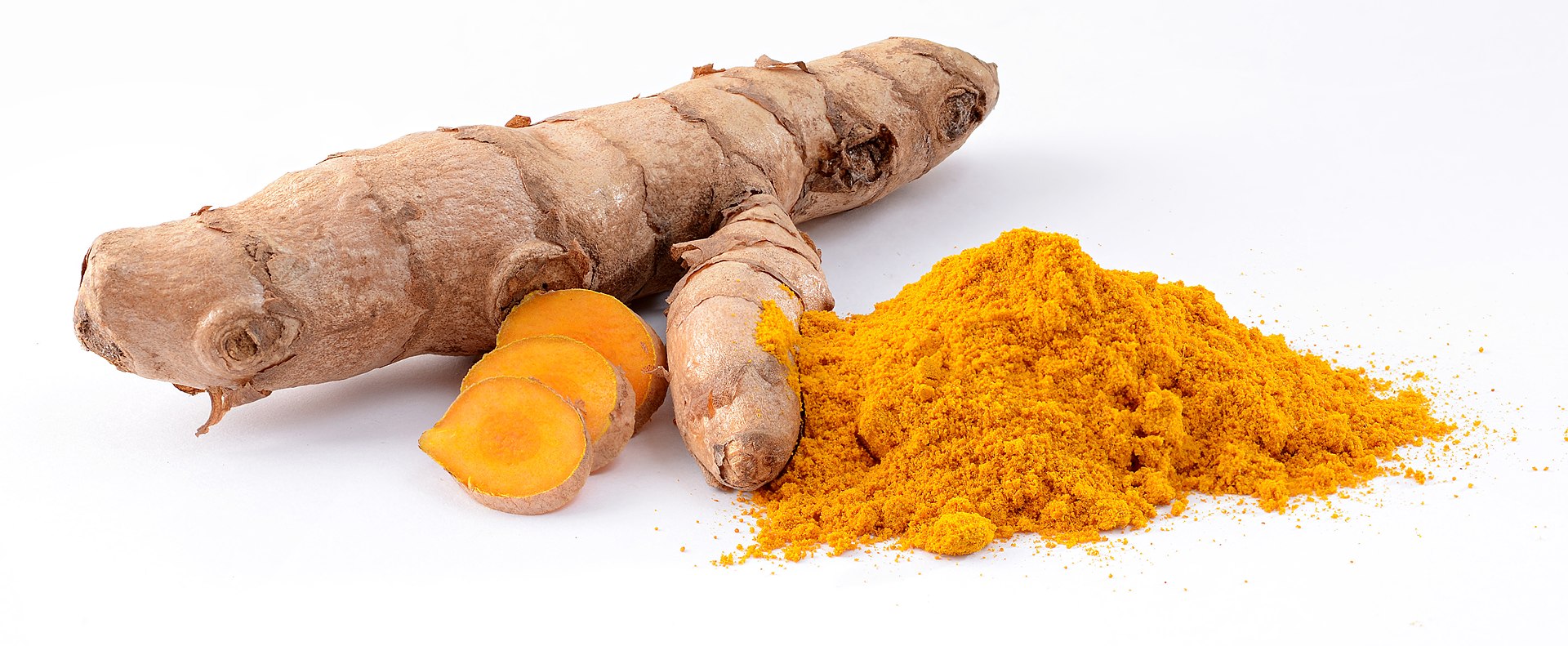
Some studies have linked ar-turmerone with antitumor properties, via the induction of apoptosis and through the inhibition of tumor cell invasion. Others still have looked at the anti-inflammatory properties of ar-tumerone in neural cells, suggesting it may be a useful in treating neurological diseases. A recent open access study by a research group from the Institute of Neuroscience and Medicine at the Research Centre Juelich (Germany) looked at ar-turmerone in this role using neural stem cells.
Friday, September 26, 2014
More "Pointless" Research: the 2014 Ig Nobel Award Winners!
In August, I wrote about so-called pointless research and an organization that celebrates this research that makes you laugh, then makes you think. Well, the 2014 winners of the Ig Nobel awards have been announced! We've got people studying the physics behind slipping on a banana peel, the neuroscience of seeing faces in mundane items, the psychopathy of being a night owl, the dangers of being a cat lady, dogs facing their own mecca when they poop, a tasty way to treat nosebleeds, reindeer don't trust people dressed as animals either, and a fairly gross way to produce starter probiotic cultures for sausage-making (it may put you off sausages from now on). Let's explore these interesting, improbable, and yes "pointless" findings!
Wednesday, September 24, 2014
Don't Skip the Gym: Wine is Definitely NOT Better Than Exercise
By now, the media has pounced on new research looking at resveratrol, a compound found in wine, and the comparison of its effects to exercise on different body systems. Naturally, the running headline is that drinking wine is better for you than going to the gym. Because that's what we need. Interested in hearing what the study actually says? Read on:
Tuesday, September 23, 2014
The Production of Circular RNA Competes with Normal RNA Processing in Cells
All of our genetic information is encoded in DNA. In order for genes to be expressed as functional proteins in our cells, they must first be copied (or transcribed) into single-stranded RNA molecules, known as messenger RNA (mRNA). These genetic instructions are then translated into amino acid sequences that make up proteins. Recently, a new type of RNA was discovered that forms in a closed, continuous loop, rather than in a linear molecule - known as circular RNA (circRNA). It turns out that circRNA are abundant in cells, but they are very poorly understood. Despite this, these RNA molecules seem to play a role in the development and progression of degenerative diseases. A recently published study from the Hebrew University of Jerusalem has given us a better idea of how circRNA are produced in the cell.
Sunday, September 21, 2014
Science This Week (Sept 15-21, 2014)
Scientists discover the brain's "sleep node".
Studies in mice show the role of the mitochondria in neurodegenerative diseases.
Biomedical implants heal bones faster.
Stem cells use molecular first aid kits to repair damage.
Monitoring Ebola in African Wild Apes using their waste. (Open Access)

Plant hormones regulate root nodule formation in legumes.
How pneumonia bacteria compromise heart health. (Open Access)
Using microbes to power up waste clean-up in rural areas.
Live vaccines are more effective, here's why. (Open Access)
Dogs can be pessimists too. (Open Access)

Peacocks' trains aren't such a drag after all.
Avocados: the ghost of evolutionary past.
So Finding Nemo wasn't all fiction: baby clownfish seen travelling hundreds of kilometers across open oceans. (Open Access)
Childbirth or being kicked in the balls: which hurts more?
Studies in mice show the role of the mitochondria in neurodegenerative diseases.
Biomedical implants heal bones faster.
Stem cells use molecular first aid kits to repair damage.
Monitoring Ebola in African Wild Apes using their waste. (Open Access)
Plant hormones regulate root nodule formation in legumes.
How pneumonia bacteria compromise heart health. (Open Access)
Using microbes to power up waste clean-up in rural areas.
Live vaccines are more effective, here's why. (Open Access)
Dogs can be pessimists too. (Open Access)
Peacocks' trains aren't such a drag after all.
Avocados: the ghost of evolutionary past.
So Finding Nemo wasn't all fiction: baby clownfish seen travelling hundreds of kilometers across open oceans. (Open Access)
Childbirth or being kicked in the balls: which hurts more?
Sunday, September 14, 2014
Science This Week (Sept 8-14, 2014)
Using plants to produce proteins capable of fighting high blood pressure.
It's time for a massive global response to the Ebola outbreak. Read more here.

Here's an evolutionary surprise: from worms to spinal discs.
The amount of gray matter in the brain may indicate level of risk tolerance.
Speaking of which, how is social media affecting your brain? A fantastic video from the ever-wonderful ASAP Science:
The discovery of three extinct squirrel species points to the origins of mammals - it may have been much earlier than we thought.
Using stem cells, researchers have shown that the neural cells of people with schizophrenia secrete higher amounts of three neurotransmitters broadly implicated in psychological disorders. (Open Access)
Your blood type may affect your memory later in life.

The drivers causing rich bird biodiversity in the neotropics has been identified.
Female baboons with boyfriends live longer.
Researchers have identified an enzyme that may be the key to slowing the aging process. (Open Access)
T-cells do quite a bit of chattering - and this may be the key to producing more efficient vaccines.
Non-dominant hand use drove the evolution of human hand morphology.
It's time for a massive global response to the Ebola outbreak. Read more here.
Here's an evolutionary surprise: from worms to spinal discs.
The amount of gray matter in the brain may indicate level of risk tolerance.
Speaking of which, how is social media affecting your brain? A fantastic video from the ever-wonderful ASAP Science:
The discovery of three extinct squirrel species points to the origins of mammals - it may have been much earlier than we thought.
Using stem cells, researchers have shown that the neural cells of people with schizophrenia secrete higher amounts of three neurotransmitters broadly implicated in psychological disorders. (Open Access)
Your blood type may affect your memory later in life.
The drivers causing rich bird biodiversity in the neotropics has been identified.
Female baboons with boyfriends live longer.
Researchers have identified an enzyme that may be the key to slowing the aging process. (Open Access)
T-cells do quite a bit of chattering - and this may be the key to producing more efficient vaccines.
Non-dominant hand use drove the evolution of human hand morphology.
Subscribe to:
Posts (Atom)